How Authentic Type Transformed My Brand’s Look and Feel
A Fresh Start with Authentic Typography
Last month, I was staring at a stack of old product labels for my small candle business, realizing how generic they looked. I wanted something that felt more personal, more human. That’s when I discovered Authentic Type—a handwritten font created using a tablet, with just the right balance of charm and professionalism. It wasn’t just a font; it became a key part of my brand’s visual identity.
What Makes Authentic Type Stand Out
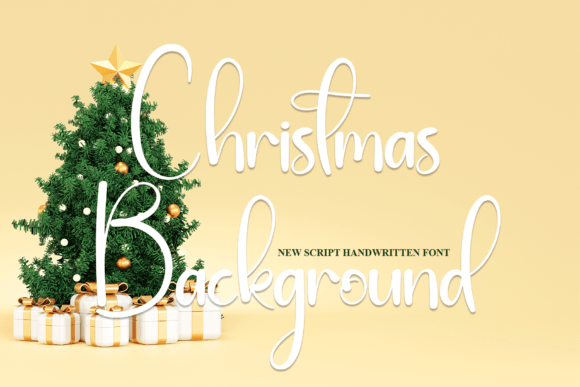
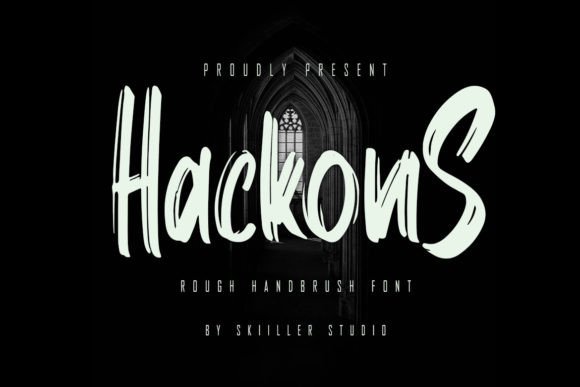
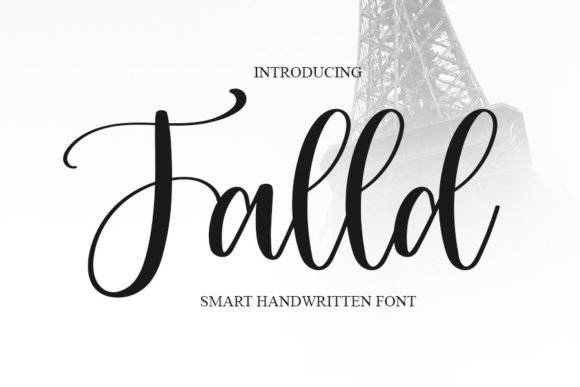
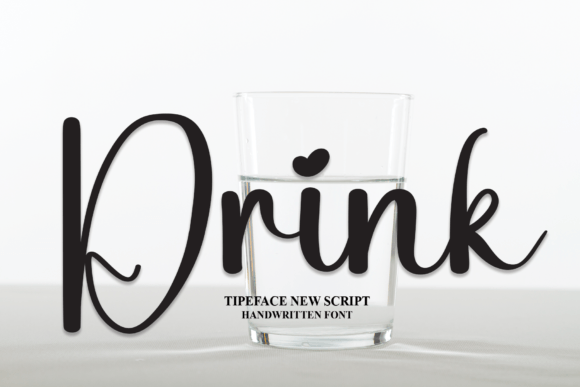
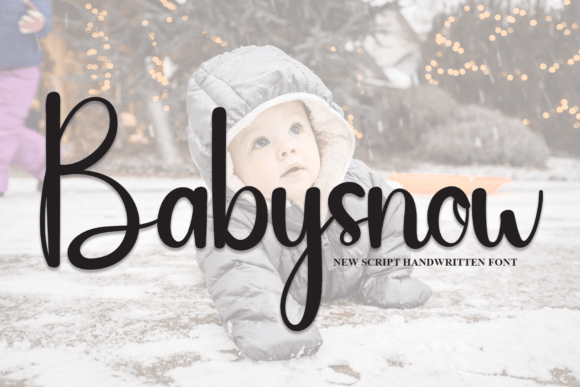
Authentic Type has a soft, flowing script style that feels natural and warm. It’s not overly decorative like some script fonts, which makes it perfect for small businesses that want to feel approachable yet polished. Whether it’s for a logo, a product label, or a social media post, this font brings a sense of personality without sacrificing readability.
As someone who doesn’t have a design background, I appreciated how easy it was to use. The font includes multiple styles and ligatures, so I could customize it for different uses—from elegant packaging tags to clean website headers.
Real-World Uses for Small Businesses
Once I downloaded Authentic Type, I started using it across all my branding materials. Here’s how it made a difference:
- Product Labels: My candle jars now have a handcrafted look that feels intentional and unique.
- Business Cards: I paired the font with a simple sans serif for a clean, modern look that clients have complimented.
- Social Media Graphics: My Instagram posts feel more cohesive and branded, especially for quote images and product launches.
- Thank-You Notes: Using the font in handwritten-style thank-you cards made customers feel truly appreciated.
Why Typography Matters for Branding
Before this experience, I never realized how much typography affects how customers perceive a brand. A good font choice can make your business look more trustworthy, professional, and memorable. Authentic Type helped me create a consistent visual tone across all customer touchpoints—whether it was a sticker on a shipping box or a menu at a pop-up event.
Typography isn’t just about aesthetics; it’s about communication. When your brand uses a font that reflects your values—like warmth, care, and authenticity—your customers pick up on that without you even saying a word.
Best Uses for Authentic Type
From my experience, Authentic Type works best for short text—like headlines, logos, and packaging titles. It’s a display font at heart, so I avoided using it for long paragraphs. Instead, I paired it with a clean sans serif like Open Sans or Lato for supporting text.
For example, on my website banners, I used Authentic Type for the main heading and a minimalist sans serif for the subheadings. This contrast made the design feel balanced and modern, without overwhelming the viewer.
Readability Tips for Real-World Use
One thing I learned the hard way is that even the most beautiful font needs to be legible. When I used Authentic Type on small candle labels, I made sure to increase the spacing and avoid all caps. For mobile screens, I kept the text size large enough to read easily, especially on social media thumbnails.
When printing packaging, I double-checked that the font remained crisp at smaller sizes. It’s also a good idea to test the font in black ink first, especially if you’re printing on textured paper or kraft labels.
Font Pairing Made Simple
If you’re not sure how to pair Authentic Type with other fonts, start with something clean and modern. I found that a minimalist sans serif font gave the design a nice contrast and made the handwritten style pop. For more elegant packaging or boutique tags, I tried pairing it with a soft serif font, and it worked beautifully.
The key is to keep it simple. Too many fonts can make your brand look scattered. I stuck with two main fonts: Authentic Type for headlines and accents, and one easy-to-read font for body text and descriptions.
What to Check Before Using Authentic Type
Before you start using any font for your business, it’s important to verify the licensing. Authentic Type is a commercial font, which means I could use it freely on product packaging, digital downloads, and client work without legal concerns. I also checked that the download included multiple file formats—like OTF and TTF—so I could use it across different design tools like Canva, Illustrator, and Photoshop.
Another thing I looked for was multilingual support, especially since I occasionally sell products to customers in other countries. And because I used the font in packaging and merchandise, I made sure it included alternate characters and ligatures for more design flexibility.
Final Thoughts
Switching to Authentic Type wasn’t just a design change—it was a branding upgrade that helped my small candle business feel more cohesive and memorable. Whether you’re redesigning your product labels, refreshing your social media visuals, or building a new logo, this font can help you create a look that’s uniquely yours.